
Online Grief & Loss Counseling
for New Yorkers in an era of polycrisis.
Grief doesn't always look the way we expect it to.
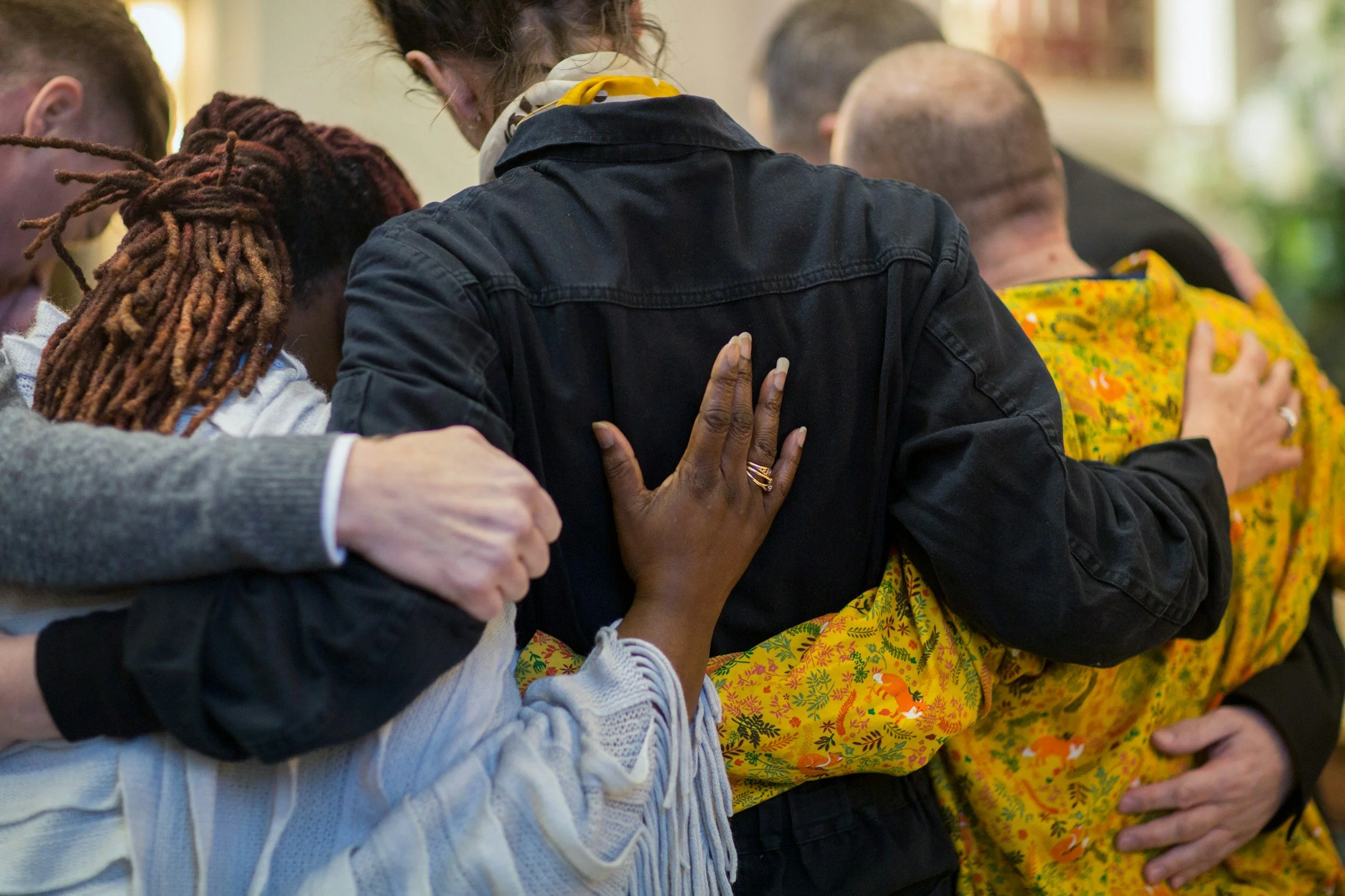
Grief can be loud and obvious, making itself known alongside death, or a loss so undeniable that others stop to acknowledge it with you. But often, grief can be quieter: harder to name, and much more complicated.
You might be mourning a world that is slipping away – the natural landscapes of your childhood, or a land you can no longer return to. Maybe you’re grieving something that doesn't have a clear obituary, and because of that, you've been carrying it alone.
The people around you mean well, but they don't quite know what to say. So you've gotten good at “holding it together” – doing your best to show up and pretending the weight isn't there.
You may have been wondering…
Is this normal for me to feel the weight of grief, for this long?
How do I mourn something without being able to really define it?
Is it okay to move on, without forgetting this loss?
You're simply exhausted and feeling more than a little isolated.
Grief-focused therapy is intentional.

Learning to grieve well is an integral part of moving through our broken world. Grief, in all its forms, requires us to make meaning from what has been lost. Grief asks us how we will choose to live with that loss.
Throughout the process, you’ll begin to gain the language to speak about your grief. Though the pain might remain, how you respond to it can and will change.
And you’ll experience firsthand what it means for your grief to be witnessed.
Grief-focused therapy can help you:
Name and process the losses that don’t feel safe to talk about
Understand how your grief is connected to your identity, values, and history
Develop a relationship with your loss without leaving it behind
Rebuild a sense of meaning and purpose in the aftermath of loss
Inspire values-aligned action that generates a cycle of hope
Your grief is valid.
Frequently Asked Questions about Grief Therapy:
-
A: No, not at all. Grief doesn't follow a timeline, and it doesn't require a recent event to be valid. Many people come to grief therapy years after a loss, having never had the space to fully process it. Others come not because of a single event, but because of an accumulating sense of loss that has slowly shaped their experience of the world. If grief is present in your life in any form, there is value in giving it the attention it deserves.
-
A: That's actually one of the most common experiences people bring into grief therapy: a pervasive sadness or emptiness that doesn't have a clear source. Part of our work together will help you identify and name what's actually been lost, which can itself be a profound and relieving experience. Grief doesn't always announce itself. Sometimes it shows up as numbness, irritability, disconnection, or a quiet sense that something is missing. All of that is worth exploring.
-
A: Grief doesn't resolve on a schedule, and I'll never pressure you to move faster than feels right. That said, many clients find that consistent weekly sessions, especially in the beginning, create the momentum and safety needed to do meaningful work.
As you develop more capacity to hold your grief, we'll reassess together. The goal is always to get you to a place where you feel genuinely equipped to carry your loss – not to keep you in therapy indefinitely.
-
A: I currently offer sessions at $150 per 50-minute session. Fees are charged after the end of each session with your payment method of choice on file.
-
A: Cancellations must be given 48-hours' notice in order to avoid a session charge.